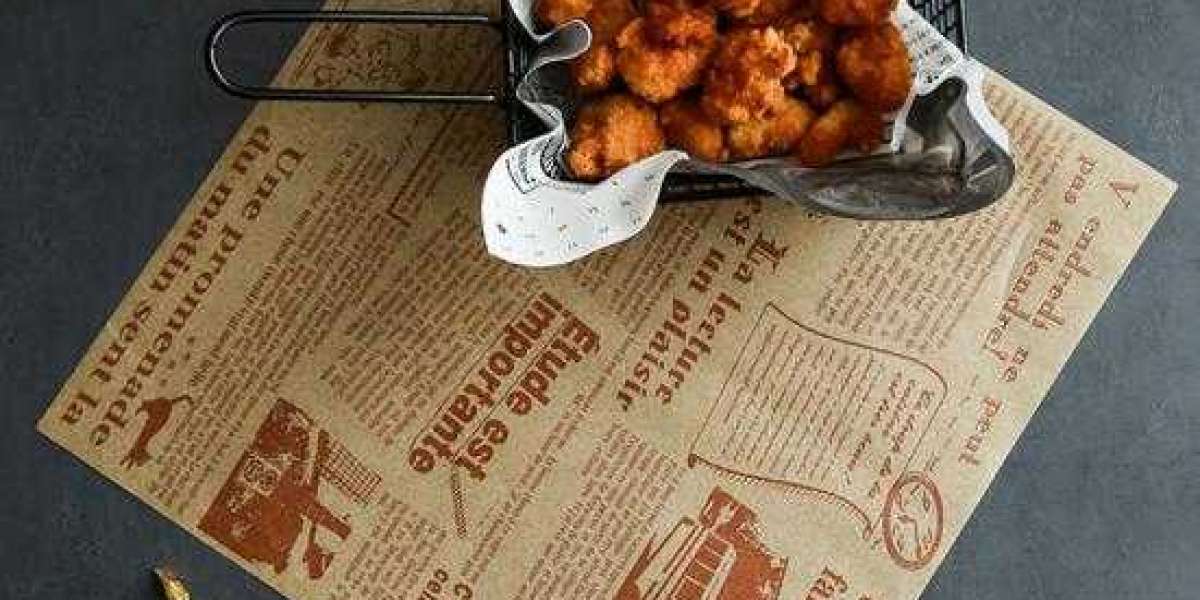

Food presentation affects how customers see food. People often eat first with eyes and a food that looks neat can improve taste perception. Restaurants that focus on serving food carefully can make a strong impression. Folded ingredients, clean plates and balanced portions show care. Even a sandwich or salad looks more inviting when arranged clearly. Many restaurants notice food served in order to get photographed and shared by customers creating free marketing. Small touches like separating ingredients or adding garnish make food noticeable on the table.
Why Does Color Affect Food Perception?
Colors in food affect how customers see taste and freshness. Bright colors usually suggest freshness while dull dishes may appear less inviting. Chefs pair colors to create contrast like red tomatoes with green herbs or orange carrots with yellow peppers. Color combinations attract attention and influence mood. Warm colors like red or orange increase hunger while green or blue calm.
Drinks and desserts benefit from color as well. A colored smoothie or dessert with fruit looks more appealing before tasting. Restaurants use natural ingredients for color avoiding dyes. Subtle color accents like a sprinkle of paprika or drizzle of sauce make simple dishes stand out. Visual cues matter in fast-paced settings where customers decide quickly. Strong cues guide choice encouraging customers to try dishes they might skip. Observing which colors attract more orders helps adjust menus and presentation. Balance of color, freshness and arrangement strengthens perception and improves dining experience.
How Can Aroma Boost Food Appeal?
Smell affects taste making aroma part of food appeal. When customers enter and smell bread or cooking dishes, appetite increases. Chefs use spices, herbs and methods that release scents to engage diners before first bite. Toasted garlic or grilled vegetables create anticipation. Aroma signals freshness and care. A dish that smells strong may appear artificial while natural scents suggest preparation. Some restaurants use ventilation to guide scents toward dining areas.
Seasonal scents like cinnamon in winter or citrus in summer create connections and improve experience. For takeout liners or wrappers that keep aroma make food smell fresh. Restaurants in the USA notice customers remember food for smell as well as taste. Aroma with appearance sets expectations and creates interest. Investing in aroma techniques increases satisfaction, return visits and positive feedback.
What Role Does Portion Size Play in Customer Satisfaction?
Portion size affects food appeal. A small food may leave customers unsatisfied while a large portion can appear messy. Balanced portions contribute to visual appeal and value. Restaurants measure ingredients to keep order. Portioning affects plating. Adjustments create symmetry balance and completeness making food inviting.
Protein vegetables and sides arranged clearly prevent overcrowding. Portion control supports pricing giving customers value. Chefs layer ingredients to add volume without overfilling. Observing feedback on portion satisfaction helps adjust the menu. Smaller portions paired with sides or garnish improve appearance. Well-portioned food appears prepared with care to increase enjoyment and make diners return.
How Can Texture Influence Dining Experience?
Texture affects how food is enjoyed. Crisp soft or creamy parts create contrasts that make food interesting. A salad with crisp vegetables feels fresh while a creamy dessert gives comfort. Layering different textures encourages diners to try each bite. Restaurants combine methods like grilling while keeping ingredients tender to get balance.
Texture affects flavor release in the mouth. Chewy or crisp parts provide sensation that matches taste. Takeout food needs attention to texture as foods can soften. Using liners like wholesale custom deli paper helps retain texture, keeping food enjoyable. Chefs use contrasts regularly to improve experience. Simple changes like toasting bread or adding nuts improve satisfaction. Understanding texture creates memorable food and makes menu items noticeable.
Why Does Temperature Matter in Serving Food?
Serving food at the correct temperature affects flavor and texture. Hot dishes that arrive cold lose appeal while cold dishes served warm may taste off. Restaurants monitor kitchen timing and storage to keep temperature. Presentation and aroma depend on temperature, hot food releases scent and cold desserts feel fresh.
Temperature affects perception of freshness. food at the correct temperature feels prepared and managed. For takeout, keeping temperature is a challenge. Using liners like custom food paper keeps heat or cool preserving quality. Customers notice when food arrives correctly increasing satisfaction. Temperature applies to drinks, soups and sides. Proper management shows attention to care improving reputation.
How Can Plating Style Affect Food Appeal?
Plating style arranges food to attract attention and highlight ingredients. Chefs use stacking, adding herbs or arranging ingredients in order. Well-plated food communicates care making customers more likely to eat. Casual restaurants benefit from plating adjustments. Placement of sauces or drizzles adds character without excess.
Chefs consider height and symmetry to make food noticeable. Plating guides eyes to main parts and shows freshness. For takeout, maintaining plating requires solutions. Liners hold ingredients in place keeping appearance. Attractive food encourages social media sharing giving restaurants promotion. Observing which plating draws attention helps refine the menu and increase enjoyment.
What Impact Does Garnishing Have on Food Perception?
Garnishing adds finishing touches that improve appearance and flavor. Herbs, fruit slices or edible flowers create contrast and highlight ingredients. Garnishes give hints of flavor matching main dishes. Restaurants use garnishing to make food appear prepared. Some delis and chefs choose WaxPapersHub for stylish food wrapping and serving.
Placement matters: a garnish can guide attention to main ingredients. Seasonal garnishes connect with holidays or local produce showing freshness. For takeout garnishes need stability. Liners or separators keep garnishes intact. Customers notice details affecting satisfaction. Staff learn consistent garnishing to keep food uniform. Attention to detail improves value perception.
How Do Portion Arrangements Guide Customer Choices?
Arrangement affects how customers interact with food. Structured layout makes food easier to eat and appealing. Restaurants highlight main ingredients, balance colors and prevent mixing. Arrangements improve presentation and guide diners to try components. Takeout food needs careful arrangement and liners prevent mixing. Observing which arrangements attract more orders helps refine the menu. Small changes like spacing items evenly improve appeal. Arrangement affects freshness perception as ordered food communicates care.
Why Does Consistency Matter in Food Appeal?
Consistency builds customer trust. Food that looks and tastes the same across visits makes diners confident. Restaurants monitor plating portion seasoning and temperature to maintain order. Small variations affect perception. Training and standards help maintain consistency. Takeout food benefits from liners that keep appearance and quality. Attention to consistency improves satisfaction, loyalty and reviews, strengthening restaurant reputation.
How Can Simple Ingredients Be Highlighted?
Highlighting ingredients makes food noticeable. Herbs, roasted vegetables or sliced fruits draw attention. Restaurants focus on freshness, texture and color. Sandwiches or soups benefit from touches that show care. Takeout liners keep ingredients intact until customers eat. Highlighting ingredients shows attention, reinforces freshness and makes food memorable. Approach educates diners about ingredient importance and preparation care.
Why Should Restaurants Focus on Food Experience as a Whole?
Food experience includes appearance, aroma, texture and satisfaction. Restaurants paying attention to all parts create memorable dining. Each part—color plating temperature texture—works to improve appeal. Observing customer reaction, adjusting portions and keeping order ensures food meets expectations. For takeout, using custom wrapping paper to keep aroma and texture adds to experience. Focusing on experience builds loyalty and creates positive feedback. Restaurants paying attention to care and service build reputation and attract diners.